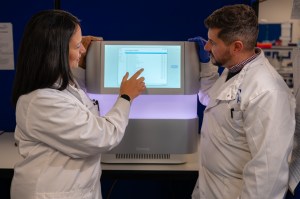
Every year, the Xelect Lab receives thousands of tissue samples from aquaculture producers and research institutes worldwide. Every tissue sample represents an important breeding decision. Whether the goal is improving growth, robustness, disease resistance or production efficiency, the quality of the genetic information generated begins long before any analysis takes place. In this instalment of Inside the Xelect Lab, we follow the journey of a tissue sample from arrival in our laboratory through to DNA extraction, sequencing and ultimately the valuable genetic information that support breeding programmes around the world.
Here’s a look at how a tissue sample moves through each stage, from arrival to those all-important genotypes.
1. Accessioning
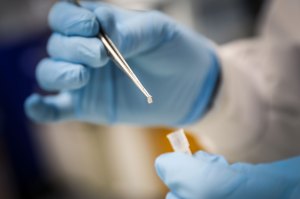
Upon receipt, samples are first inspected to ensure they meet Xelect’s sample requirements. Our preferred sample format is barcoded tubes arranged in a 96-SBSrack, enabling rapid scanning and verification against customer submission records while maintaining complete traceability. Unlike many large genomics providers that require highly standardised sample submissions, Xelect works closely with customers to develop practical sampling solutions that fit the realities of commercial aquaculture operations.
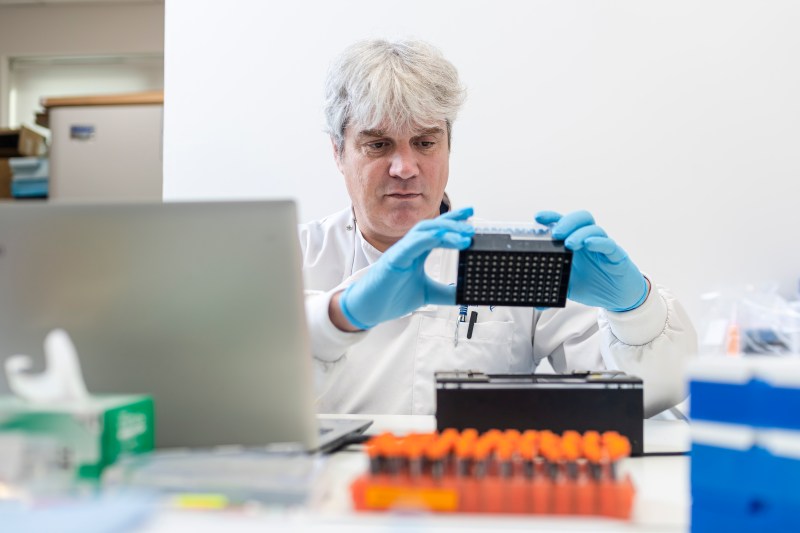
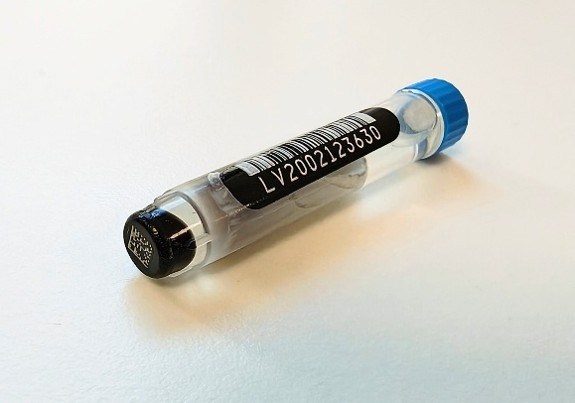
Image 1: 96-SBS racked barcoded tubes ready to be scanned.
Image2: Tri-barcoded tube containing fin clip
In the Xelect lab we have built a number of custom apps to streamline, automate and improve our operations. For example, our bioinformatics specialists have developed a Xelect Accessioning App which allows samples to be scanned directly into our database and automatically checked, ensuring that the samples received match the expected list before processing.
Once all of our quality checks are completed, samples are booked into our sample inventory system and processing within the laboratory can commence. These checks ensure complete traceability throughout the genotyping process, giving customers the confidence that every genotype can be linked back to the correct individual.
2. DNA Extraction
Once samples are logged, the next and most crucial step is to extract good quality DNA, which is the foundation for all downstream genetic analyses.
Different applications require different levels of DNA quality, yield and integrity. With experience across a wide range of aquaculture species and sample types, the Xelect laboratory selects the most appropriate extraction method for each project, helping maximise data quality and downstream success.
In the Xelect lab we can receive a wide variety of sample types, although fin clips are the most common. Consistency is critical when preparing tissue samples for DNA extraction. By standardising the amount of tissue used in the DNA extraction, we produce more uniform DNA concentrations across batches. This gives each sample an equal chance of success during processing and genotyping. Large differences in DNA concentration can lead to inconsistent results, with low-concentration samples producing weaker data or failing altogether. By assisting our customers in sample collection and storage, we can standardise the tissue size and DNA concentration where possible, helping to reduce sample failures and generate more complete, reliable genetic information for our breeding programmes.
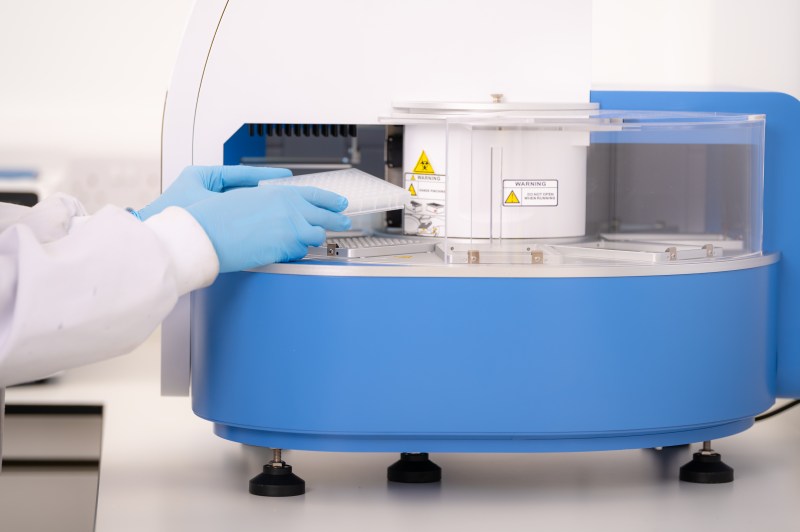
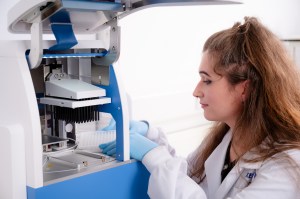
Image 3: Semi-automated DNA extraction robot.
3. Library Preparation
In the Xelect lab, our SNP panels are designed to be flexible and scalable. They are run using Illumina sequencing technologies. Once the DNA is ready, we prepare Next Generation Sequencing (NGS) libraries using panels of markers specifically designed for each customer’s population.
Within our Genotyping Services, we maintain an extensive portfolio of species-specific SNP panels at various densities, depending on the objectives of the breeding programme. We can also develop bespoke SNP panels for customers with specific requirements. (To learn more about SNP markers and how they are used in aquaculture breeding programmes, see our previous Inside the Lab article.)
Prior to sequencing, the library undergoes a purification step to remove unwanted by-products from the preparation process. This leaves only the DNA fragments of interest, helping to ensure sequencing runs perform optimally and generate reliable, high-quality data.
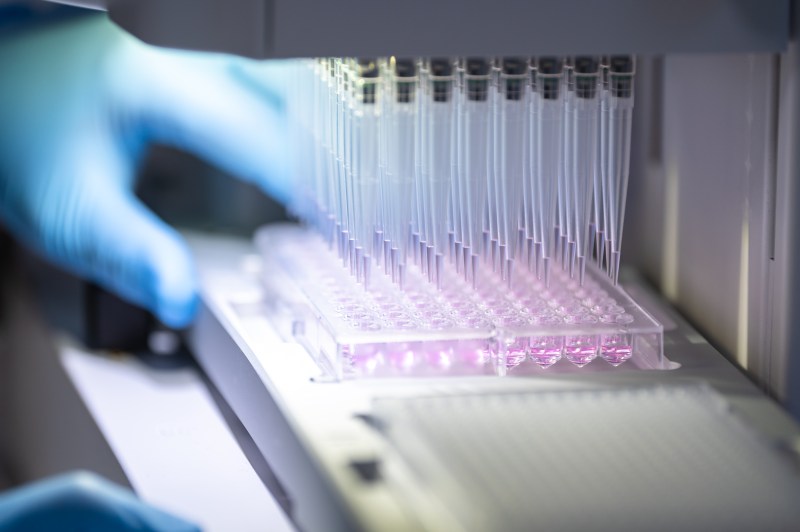
Image 4: A semi-automated pipette used in library preparation stages.
4. Sequencing
Once libraries are ready, they are loaded onto one of our Illumina platforms where the sequencing process transforms DNA fragments into a digital genetic fingerprint for every sample, which is then used for further evaluation and interpretation. The platform used is dependent on the type of panel and the number of samples processed.
Once sequencing is complete, the data is processed through our bespoke SNP genotyping pipeline, known as Angus. The pipeline converts raw sequencing reads into genotypes and links them to the correct individual samples. Our laboratory team conducts multiple quality control checks to ensure that the results meet our internal standards before they are shared with Xelect’s Breeding Programme Managers.
A key advantage of operating an in-house laboratory, is the ability to respond quickly when additional quality checks or repeat processing are required. This helps maximise sample retention, minimise data loss, and ensure breeding programmes benefit from the most complete dataset possible. Ultimately, retaining more high-quality genotypes supports stronger breeding decisions and greater long-term genetic gain.
Turning data into breeding decisions
Once quality checks are complete, genotype data is provided to Xelect’s breeding programme teams, where it can be used for parentage assignment, genomic selection, trait evaluation and breeding programme optimisation. These insights help producers make faster progress towards goals such as improved growth, robustness, disease resistance and production performance.
5. Sample Storage or Return
Once all samples have been processed, any leftover tissue samples are either archived in our long-term storage facility or returned to our customers upon request. At Xelect, we have developed our own biobanking system to support sample tracking, storage, and retrieval if additional testing is needed.
Long-term storage provides additional value for breeding programmes by allowing samples or DNA to be revisited in the future as new traits, technologies, or research questions emerge. This helps customers protect and extend the value of their biological material over time.
Other Laboratory Services
While the sample journey described above underpins our genotyping services, the same laboratory expertise and infrastructure also support a range of specialised testing services to help customers answer critical production and management questions quickly and accurately.
Our laboratory services offer Ploidy Determination, Sex Determination and an expanding range of other services that you can find on our Laboratory Services page. If the service is not listed, please reach out to a member of the team and we would be happy to work with you and your bespoke project needs.
Ploidy Determination
Triploidy plays an important role in many commercial aquaculture systems, making rapid verification an important step for producers. Using flow cytometry, the gold-standard method for ploidy determination, Xelect can quickly distinguish between diploid and triploid individuals and provide certification within 24 hours of sample receipt.

Image 5: Showing Ploidy samples being run
Sex Determination
Xelect also offers a rapid sex determination service, particularly for salmonids. Early and accurate sex determination can help support stock management, production planning and breeding programme objectives. Xelect provides a rapid and reliable testing service for selected species, delivering results that can be incorporated into wider breeding and management decisions.
From Sample to Breeding Decision
Every sample that arrives at Xelect follows a carefully managed journey. From accessioning and DNA extraction through to library preparation, sequencing, and long-term storage, each step is designed to maintain sample integrity, ensure traceability, and deliver reliable genetic data.
Behind the scenes, our laboratory combines scientific expertise, robust quality control processes, and custom-built digital tools to process thousands of samples efficiently and accurately. Whether we’re providing routine genotyping, ploidy determination, sex determination, or bespoke genomic services, our focus remains the same – we deliver reliable genetic information that our customers can use with confidence.
Every sample represents an opportunity to improve a breeding programme. By transforming biological samples into valuable genetic data, we help aquaculture producers make more confident selection decisions, accelerate genetic gain, and build stronger populations for the future.
About the Author

Aaren Dannoch
Aaren is a Scientific Officer at Xelect, where she plays a key role in supporting advanced genetic workflows for aquaculture. With expertise in NGS library preparation, sequencing, and SNP panel optimisation, she helps ensure accurate and efficient genotyping across a wide range of species. Aaren is also expanding her skills in bioinformatics to further streamline data analysis and turnaround times. Her background in quality management and clinical experience brings precision and consistency to every stage of the laboratory workflow.