Aquaculture breeding programmes rely on accurate and reliable data to achieve the highest rate of genetic progress. Maintaining high-quality laboratory standards is therefore critical to selective breeding success.
In Xelect’s state of the art laboratory, quality underpins every step of our laboratory workflow. Danielle MacRae, Scientific Officer at Xelect, tells us more.
Why quality is critical in laboratory workflows
Quality principles are a crucial consideration at every stage of an industry laboratory’s workflow. By placing quality at the heart of our processes, we can ensure that customers receive data they can trust for their genetic applications.
Practices such as equipment calibration, regular standard operating procedure (SOP) reviews and monitoring data trends all contribute to maintaining high standards. When these principles are embedded into a laboratory environment, they enable confidence in results and provide a clear foundation for investigating any issues that may arise.
Without robust quality systems in place, laboratories risk being unable to effectively trace or resolve out-of-specification results.
What does this mean for the customer? It means they can have confidence they will get the data they need when they need to make the best genetically informed breeding decisions. Breeding programmes can only be as good as the data used to develop them. Customers need to be able to trust the data used to make breeding decisions, and that trust is built through our reliable quality assurance procedures. By having our laboratory in-house, we can maintain quality while working dynamically across a wide array of assays and sample types.
This ensures that the data generated for our customers’ breeding programmes is robust, reliable, and fit for purpose.
Building confidence through equipment validation
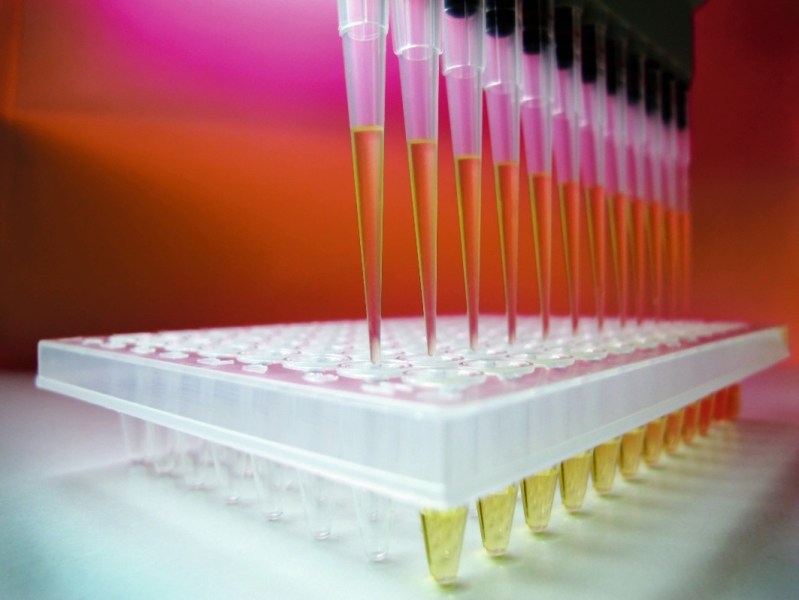
Confidence in the laboratory data starts with confidence in the equipment used to generate it. Routine calibration, validation and maintenance of laboratory equipment ensure that equipment performs as expected and meets required standards.
For example, a thermocycler cannot simply be installed and assumed to be achieving the correct temperatures and cycle patterns. It must be tested and validated against known standards to confirm that it is performing as expected. This principle applies across a wide range of laboratory equipment including pipettes, thermocyclers, balances, timers, etc. Each piece of equipment plays a role in generating measurable outputs, and each must be verified regularly to ensure consistent performance.
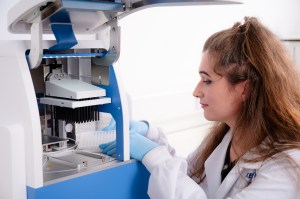
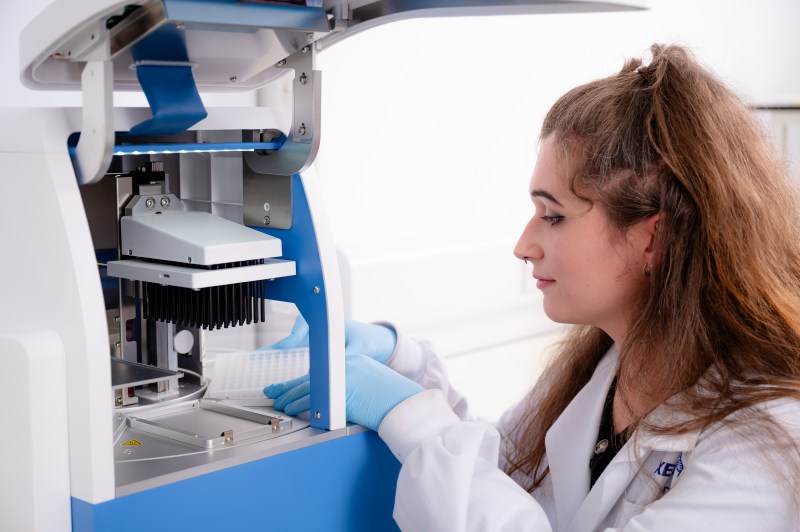
At Xelect, our in-house laboratory is equipped with a wide range of specialist instruments. By rigorously testing and validating this equipment, we ensure the accuracy and consistency of the data we generate, giving customers confidence that genetic progress is being driven by reliable, high-quality information.
The importance of traceability and audit trails
In addition to validation, maintaining detailed records of equipment use is essential. A clear audit trail allows our laboratory to track which equipment was used at each stage of an assay.
Even simple practices, such as recording the specific instrument use alongside an operator’s initials and the date, can make a significant difference. These records enable more efficient investigations if an issue occurs and can help to narrow down potential causes.
If equipment fails or does not perform as expected, it can be quickly identified, removed from use, and serviced. Once restored, it must be revalidated before returning to the workflow.
Through complete traceability and routine auditing, we ensure that samples are processed with the highest degree of care and attention. Routine auditing helps verify that our processes are being followed consistently, ensuring the data we generate remains robust and trustworthy, giving customers’ breeding programmes the greatest chance of success.
The ‘four eyes principle’ in practice
Quality assurance extends beyond equipment to the processes carried out by our laboratory team. One key approach, more commonly known as the “four eyes principle”, is where critical steps require independent verification by two qualified individuals.
These individuals will perform the same check and verify that their outcomes are concordant. By independently achieving concordance during a check, we have assurance that the process has been performed correctly, and that the work is ready for the next stage.
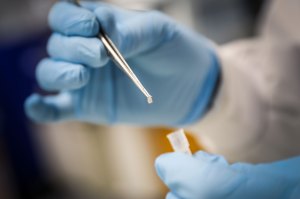
At Xelect, this principle is applied across multiple stages. Most of our samples arrive in individual, barcoded tubes. Before beginning any kind of test on these samples, we must ensure that we have received the correct samples. By having two individuals independently check that all barcodes received match with the list of samples we expected, we have greater confidence in knowing that we are about to run the samples the customer has intended to run. Only once agreement is reached do the samples move forward for analysis. This additional layer of verification reduces the risk of error and strengthens confidence in the integrity of the data produced.
Continuous improvement and SOPs
Quality assurance is not only about maintaining current standards, but also about improving them over time. Continuous improvement is a vital aspect of lab operations and provides an array of benefits to both our lab and our customers. By continuously improving workflows, protocols and lab practices, we can increase efficiency, improve turnaround times and reduce errors. By fostering an environment which celebrates continuous improvement, staff are encouraged to share ideas and innovations in how workflows can be optimised.
Standard Operating Procedures (SOPs) form the foundation of this process. SOPs are the instructions we follow whenever working within the laboratory, and therefore, regular SOP reviews are crucial to ensure we are keeping up with current best practices and allows our team to collaborate on how to continuously improve our workflows. By having a standardised method of writing, reviewing and updating SOPs, we can ensure that everyone is following the current best method.
A further development within Xelect is the use of bespoke in-house sample management databases. By bringing secure data handling into workflows, we maximise data security, reduce the chance of human error and streamline data processing. Tracking samples and data through bespoke databases allows lab capacity to increase while not compromising on quality. Customers need to have confidence in us that we can maintain the standards expected, regardless of the number of samples we need to process.
Our customers can trust that every time they send samples to Xelect, they will be processed according to the current best practices. Regardless of who handles the customer’s samples, processing remains consistent, adhering to the method every time.
At Xelect, SNP-based genomic technologies underpin much of the insight we deliver to breeding programmes worldwide. These markers are helping shape a more sustainable, productive and robust future for aquaculture and we’re proud to be at the forefront of that progress.
Final Thoughts
Quality assurance is embedded throughout every aspect of laboratory work, from equipment and processes to people and documentation. At Xelect, having an in-house laboratory allows for full control over these standards, ensuring consistency and reliability from start to finish. By combining robust quality systems with a culture of continuous improvement, we can ensure that every sample is handled with care and that the data we deliver meets the highest standards.
About the Author

Danielle MacRae is a Scientific Officer at Xelect, where she supports the delivery of high-quality genetic data for aquaculture breeding programmes. Her work focuses on maintaining rigorous laboratory standards within Xelect’s in-house lab, including equipment validation, workflow optimisation and quality assurance processes that underpin reliable and repeatable results.