Driving Aquaculture Genetic Innovation in Africa: A Strategic Visit to Rock Springs Fish Farm

Aquaculture in Africa is entering a critical growth phase. With rapidly expanding populations, increasing demand for affordable animal protein, and continued pressure on capture fisheries, the continent faces both a challenge and an opportunity: to scale sustainable, productive aquaculture systems that can supply high‑quality fish to regional markets.
 
At Xelect, we believe genetics is a central part of that solution and our recent visit to Rock Springs Fish Farm in Uganda reinforced just how powerful locally implemented breeding programmes can be.
 
With support from GATSBY, Rock Springs partnered with Xelect to implement a modern genetic breeding programme tailored to African production realities. The programme is designed to deliver measurable, generational performance improvements aligned with clear commercial objectives, supporting both tilapia fingerling supply and food fish production for regional markets.

Highlights from the visit:

During the visit, the Xelect and the Rock Springs teams worked closely to advance key milestones in the programme:

  • Successful onsite selection activities using OptiMate, Xelect’s in‑house genetic decision‑support software, enabling data‑driven broodstock selection under real farm conditions
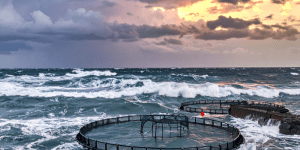
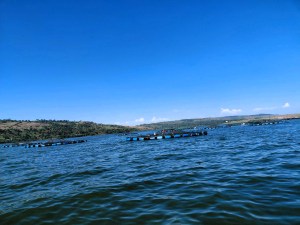
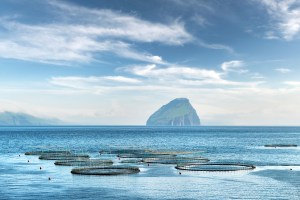
  • Site visits to Rock Springs’ cage production systems on Lake Victoria, demonstrating strong technical capability and scale potential
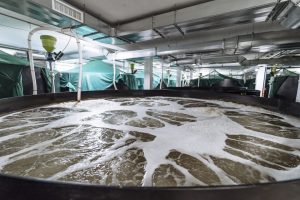
  • Engagement with newly constructed hatchery facilities, designed to significantly increase production capacity and consistency
  • Strategic discussions with Managing Director Mr. Sam Orukan around Rock Springs’ ambition to become a model hatchery for improved tilapia fingerlings and food fish serving farmers across the region

Why This Matters for African Aquaculture

Tilapia is the cornerstone of African aquaculture, yet many farmers still rely on genetically unmanaged or inconsistent seed, limiting growth rates, survival, and profitability. By embedding structured breeding programmes directly within African hatcheries, initiatives like the Rocksprings partnership help address this bottleneck at its source.

Improved genetics deliver:

  • Faster growth and better feed efficiency
  • More uniform fingerlings, reducing farmer risk
  • Greater predictability for small and medium‑scale producers
  • A pathway to improved resilience under local environmental conditions
Crucially, this approach builds local capacity which empowers African teams with tools, data, and expertise rather than relying on external stock or short‑term interventions.

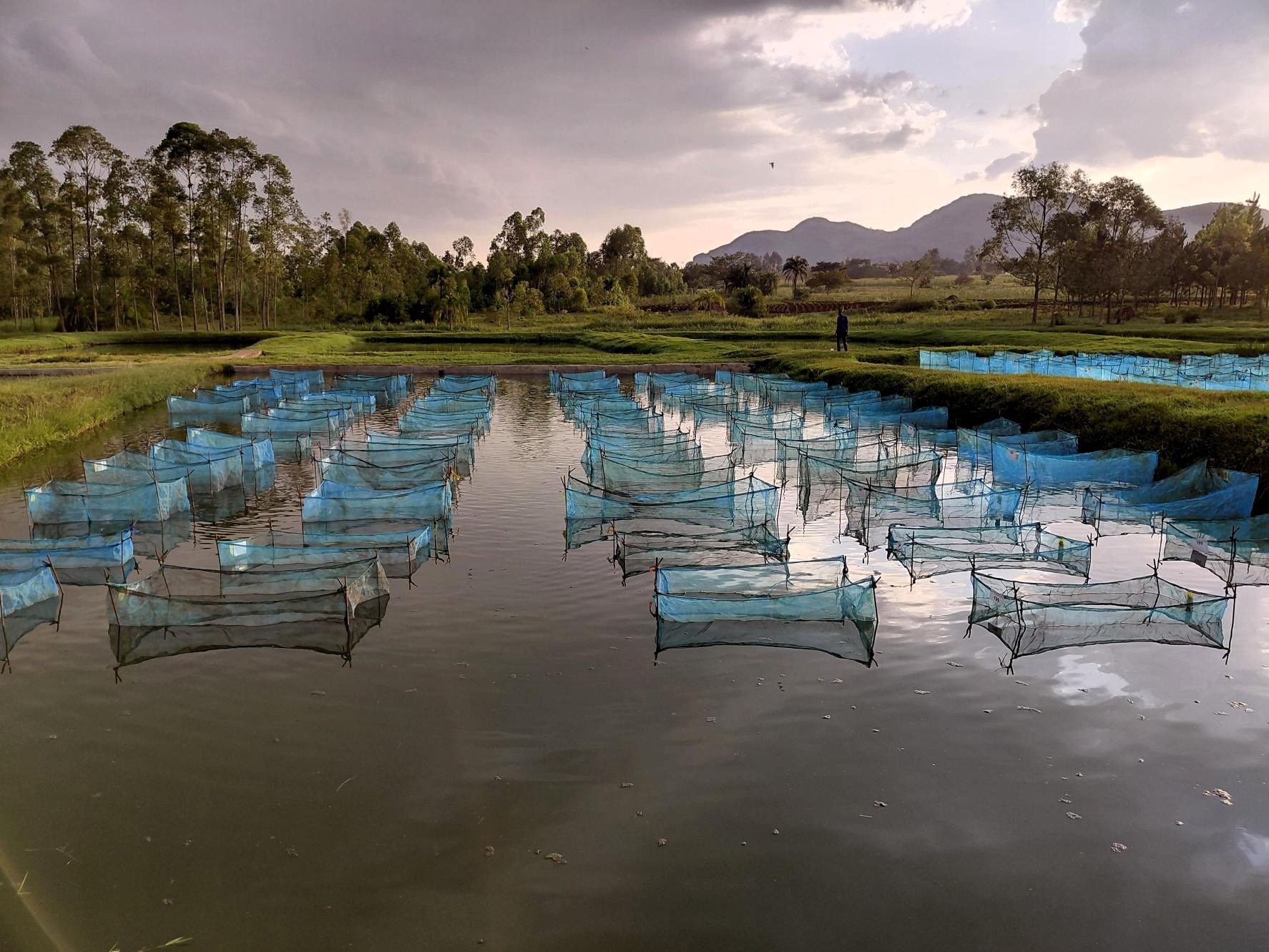
Image: On site at Rock Springs during a recent customer visit

A Blueprint for Scalable Impact

Rock Springs’ progress demonstrates what is possible when advanced genetic tools are combined with strong local leadership and investment. As a high‑quality hatchery serving the Lake Victoria basin, Rock Springs is well positioned to influence performance outcomes far beyond its own operations, supporting thousands of downstream farmers with reliable, improved seed.

This model of locally rooted, commercially viable, and genetically informed offers a scalable blueprint for aquaculture development across East Africa and beyond.

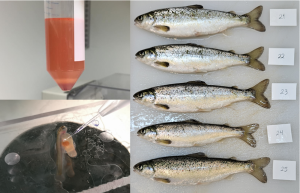
Image: On-site fish data capture at Rock Springs during a recent customer visit

Looking Ahead

At Xelect, we are committed to supporting sustainable aquaculture growth in Africa through world‑class genetics, data‑driven decision‑making, and long‑term partnerships. Work like this with Rock Springs highlights the role genetics can play in improving productivity, strengthening food systems, and supporting economic opportunity across the continent.

We look forward to continuing this journey—and to sharing further updates as Africa’s aquaculture potential is unlocked, one generation at a time.

By Dr Rose Komugisha Basiita

Share Article

Subscribe to Xelect

Every couple of months we’ll keep you posted with news and updates from the Xelect team – whether that’s a heads up on the latest tech, or a roundup of interesting nuggets from our blog. Don’t worry – you won’t get a ‘big sell’ or a flood of emails. Just useful, informative briefings from our team of genetics and aquaculture experts.

We use cookies to personalise content and ads, to provide social media features and to analyse our traffic. We also share information about your use of our site with our social media, advertising and analytics partners. View more
Cookies settings
Accept
Decline
Privacy & Cookie policy
Privacy & Cookies policy
Cookie name Active
Save settings